Credai Pune Metro’s International Business Forum (CIBF) to China - August 2024
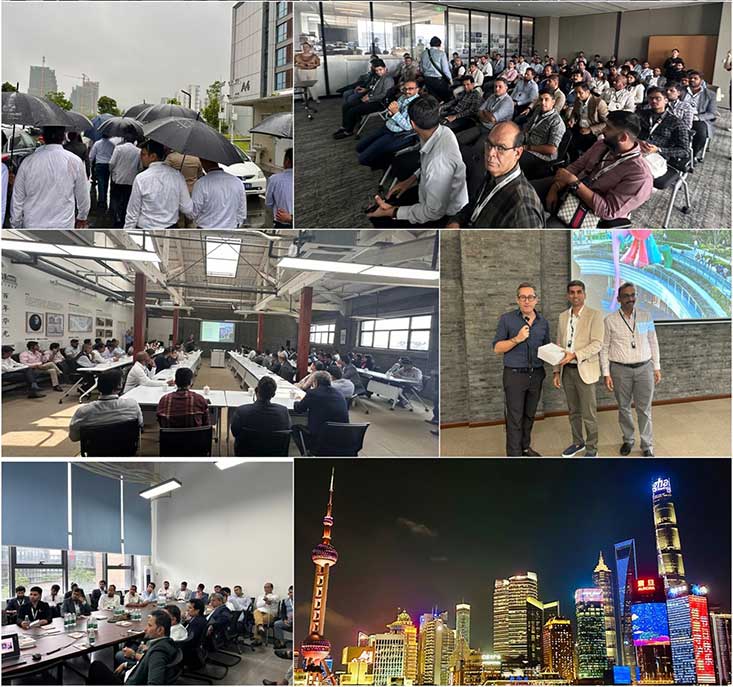
A delegation of 70 developers from Credai Pune Metro recently completed a successful International Business Forum (study tour) to Shanghai and Shenzhen, China. The tour was designed to explore cutting-edge architectural practices, urban design and planning innovations, and the latest advancements in technology within the real estate sector. A key feature of the tour was the chance to meet and interact with world-renowned architects and design studios, including Gensler, Heatherwick Studio, EID, Kokai Studios, and HPP Architects. These engagements provided deep insights into global design trends, sustainable practices, and the integration of technology in architecture. Among the key highlights were visits to Xkool Technology and DaFang AI in Shenzhen, two leading companies at the forefront of AI-driven solutions for real estate and construction.
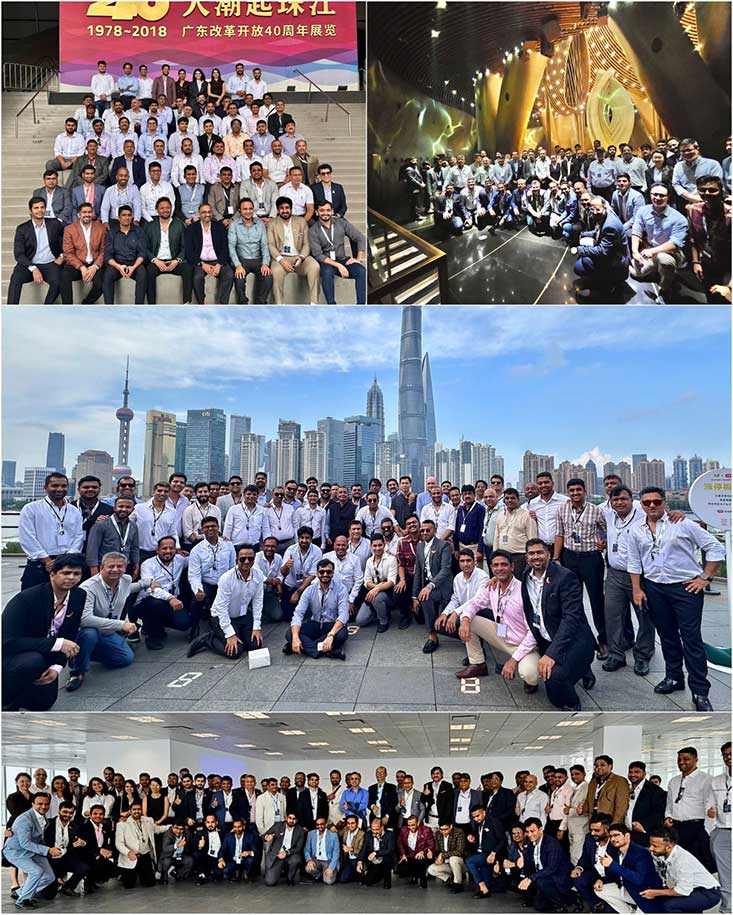
During the Shanghai leg of the tour, the delegation visited several iconic architectural landmarks, including One Museum Place, 1000 Trees, Shanghai Tower, Jinding Tiandi, CCCC Riverside Plaza, Suhe MixC World, Bund Financial Centre, Zhangjiang Science City Twin Towers and the Kohler Experience Centre.
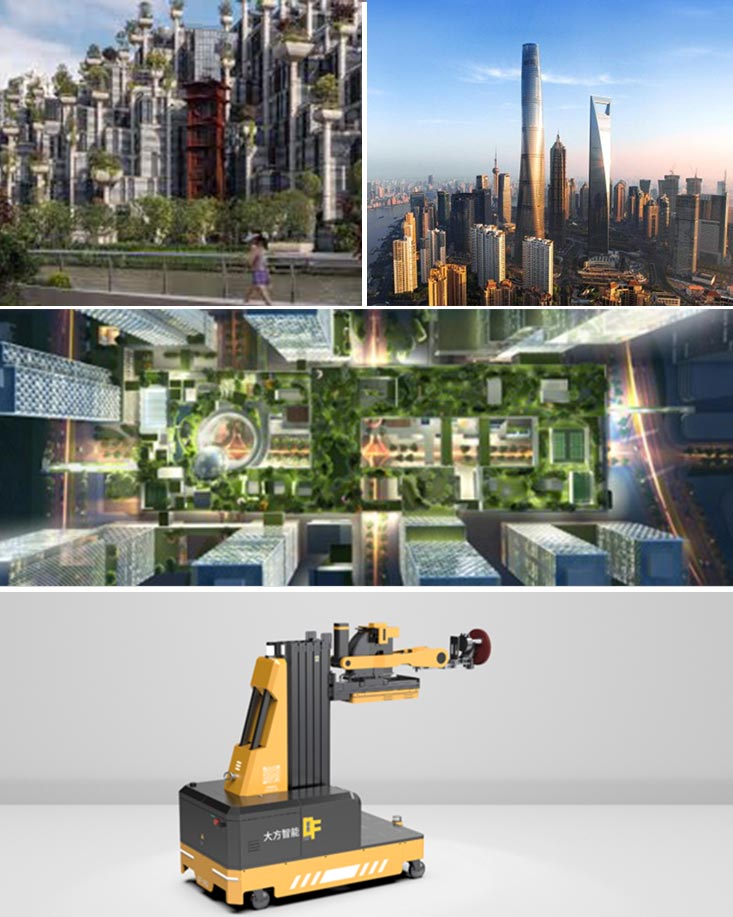
1. 1000 Trees : The delegation visited 1000 Trees, a ground-breaking architectural project by Heatherwick Studio. The development is known for its striking design, resembling a mountain covered with trees. The building integrates nature with urban life, featuring over 1,000 trees and plants embedded in the structure. The developers were inspired by the innovative approach to green architecture, which balances aesthetics with sustainability. This project demonstrated the potential for integrating large-scale greenery into urban developments, an idea that could be adapted to Indian cities struggling with green space constraints.
2. Shanghai Tower : At Shanghai Tower, the tallest building in China and the second tallest in the world, the delegation explored its state-of-the-art engineering, energy-efficient design, and advanced building technologies. The tower’s innovative features, such as its double-skin façade and wind damper, impressed the developers, showcasing how tall buildings can be designed to be both iconic and environmentally responsible. The access to BMS was the highlight.
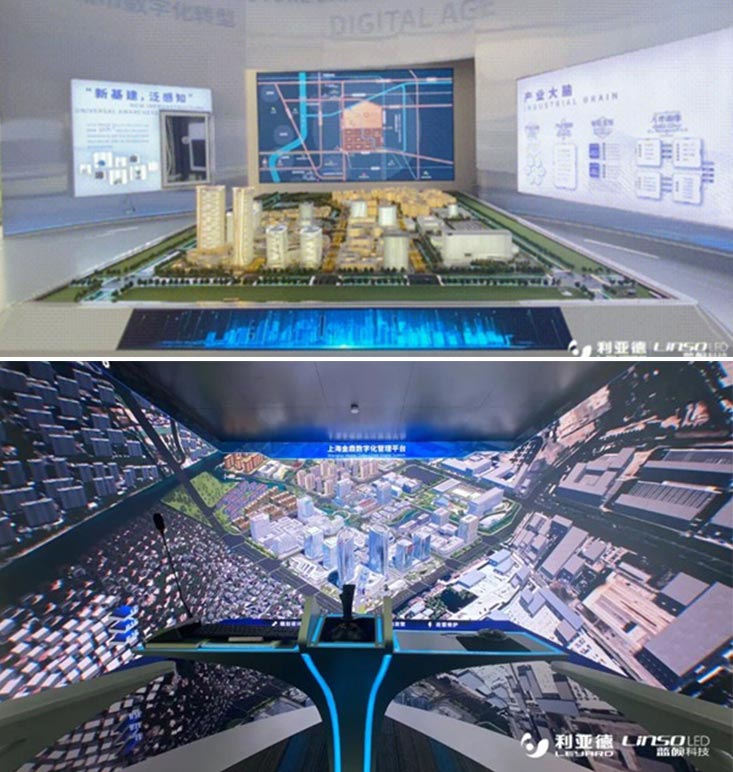
3. Jinding Tiandi Experience Centre : The Experience Centre is an extra-ordinary and high-tech sales office that draws on the oriental charm within modern trends, using outdoor elements such as light, water, stones, and plants to create a soothing atmosphere at the sales office that merges natural elegance with modern luxury. The reception, waiting lounge and cafeteria was ultra-luxurious. The interiors of the show flats were extravagant. Through the smart model and digital presentation, developers discovered on how to engage customers for better sales conversions.
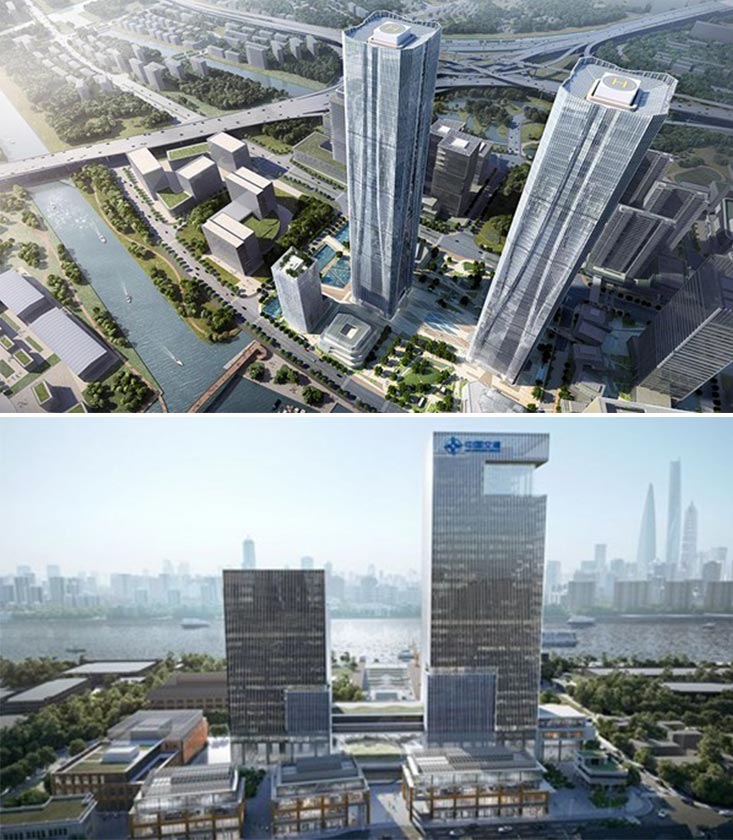
4. CCCC Riverside Plaza : CCCC Riverside Plaza is a future work-learn-play-culture destination, the developers explored on how the project will serve as a bridge between the past and future as it embraces the area’s nature, history, and cultural heritage. The design is inspired by the industrial riverside architecture, culture, and philosophy, including the original Shanghai Waterworks and shipyards. The design introduces a vertical ecological system with passive natural ventilation, vertical green gardens, ecological atriums, and scattered courtyards bringing shade, landscape, and sustainability to the mix. Indoor and outdoor courtyards create shared spaces for people to interact. Developers were highly impressed with the high-end furnished office and a neat warm shell office.
5. Zhangjiang Science City Twin Towers : The visit to the Zhangjiang Science City Twin Towers is a symbol of Shanghai’s push towards becoming a global hub for innovation and technology. The Indian developers were impressed by the integration of smart technologies and sustainable building practices in the Twin Towers, which serve as a model for future developments in technology-driven urban centres.
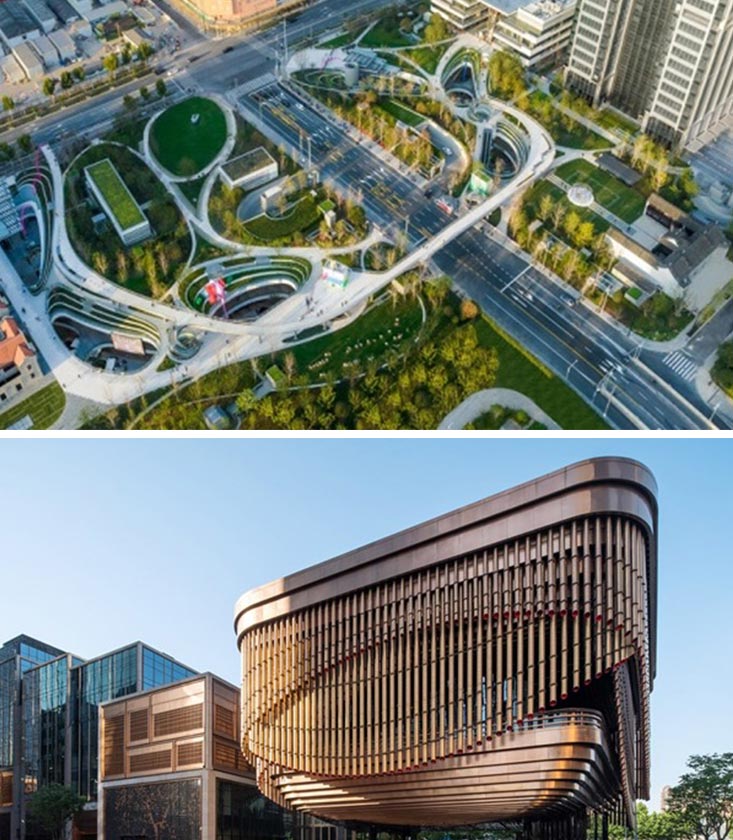
6. Suhe MixC World : Suhe MixC World is an ‘urban valley’ comprising an underground commercial centre set within a brand new green land for the city. This mixed-use Commercial is a blend of retail, entertainment, office, and residential spaces, acts a gateway to physically and aesthetically connect its wider site, revealing the underground commercial valley to the urban public space. The developers were particularly impressed by the project’s seamless integration of modern architecture with historical elements, as it preserves and revitalizes the old Suzhou Creek industrial area. Suhe MixC World also stands out for its focus on creating an immersive urban experience, with its expansive public spaces, art installations, and green areas, which contribute to a vibrant community atmosphere.
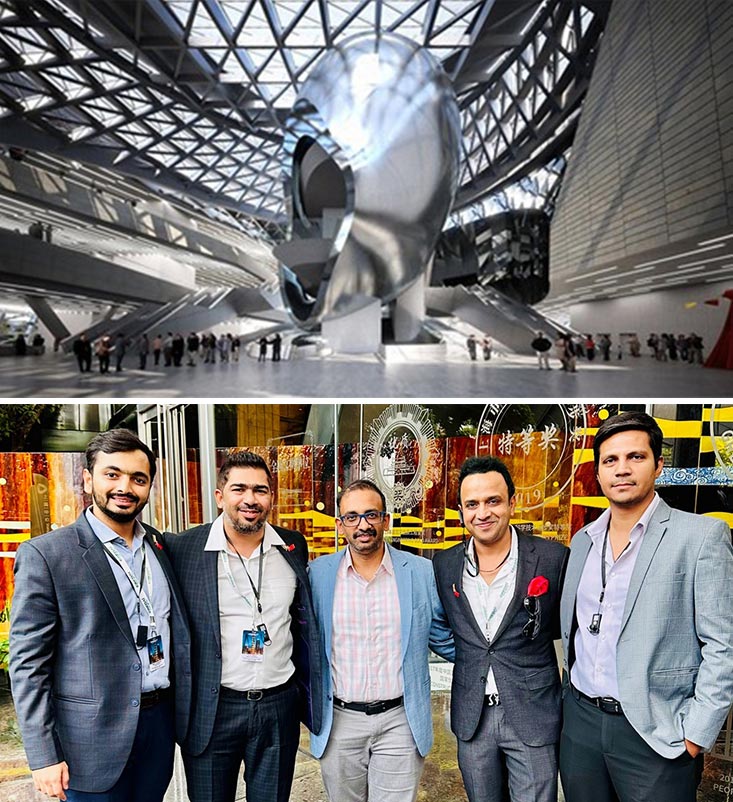
7. Bund Financial Centre (BFC) : Another highlight was the visit to the Bund Financial Centre, a landmark mixed-use development at the heart of Shanghai’s historic Bund district. BFC is a striking example of how modern design can coexist with traditional architectural styles. One of its most distinctive features is the performing arts centre, with a dynamic moving veil inspired by traditional Chinese theatre curtains. This architectural element captivated the delegation, showcasing the potential of integrating art and architecture to create iconic structures.
8. One Museum Place : The visit to One Museum Place showcased a premier example of luxury mixed-use development. The developers were impressed by the project’s sleek and modern architectural design, which is characterized by its clean lines, expansive glass facades, and attention to detail. The development also places a strong emphasis on art and culture, with curated public art installations and interior spaces that reflect contemporary aesthetics.
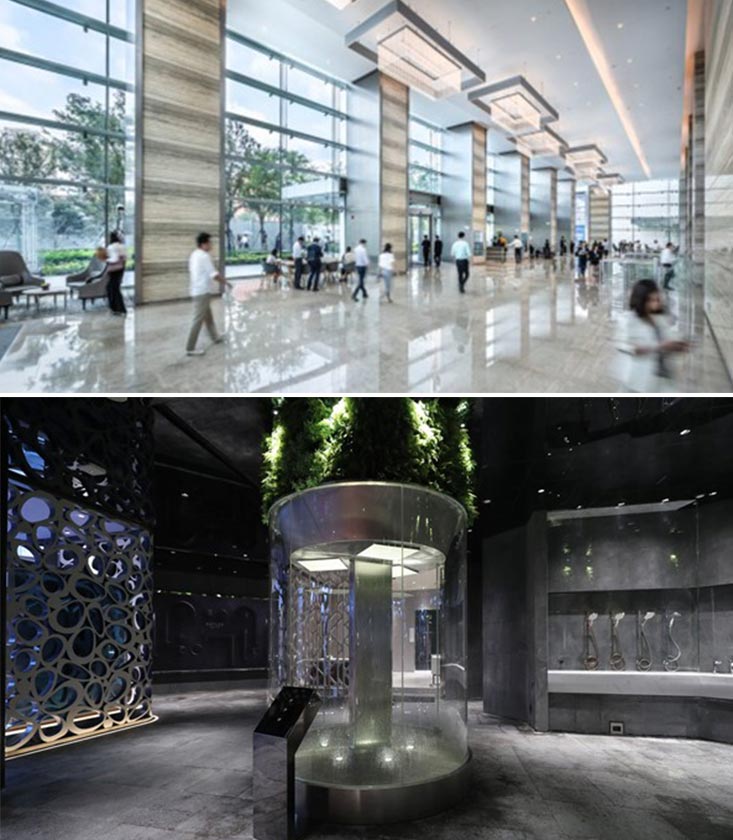
9. Kohler Experience Centre : The Shanghai tour concluded with a visit to the Kohler Experience Centre (KEC), a flagship showroom that showcases Kohler’s latest innovations in bathroom and kitchen design. It’s an immersive space where design meets technology to create luxurious and functional living environments. Developers explored a range of high-end products, including smart bathroom fixtures, designer faucets, and customized kitchen solutions. The centre also features interactive displays and live demonstrations, allowing developers to experience the functionality and design quality of products first-hand. The visit provided valuable insights into the integration of smart technology in residential spaces, highlighting how modern amenities can significantly enhance the comfort and convenience of luxury living. The delegation was particularly interested in how Kohler’s innovative solutions could be incorporated into high-end residential projects in India, catering to the growing demand for smart homes and premium bathroom and kitchen designs.
The Shenzhen portion of the study tour focused on exploring how this city, often referred to as China's Silicon Valley, integrates advanced technology, sustainable practices, and innovative design in its urban development. The visits to the Nanshan Innovation Centre, Huide Tower, and Ping An Financial Centre provided the delegation with a comprehensive view of modern architectural achievements in one of the fastest-growing cities in the world.
1. Nanshan Innovation Centre : The Nanshan Innovation Centre, is a 10 million sqft hub designed to foster technological innovation and entrepreneurship in Shenzhen. The developers were particularly impressed by the Centre’s integration of office spaces, research facilities, and collaborative environments, all within an architecturally striking complex. The delegation noted the Centre’s focus on sustainability, with features such as energy-efficient systems, green roofs, and ample natural lighting contributing to its eco-friendly design. The visit highlighted the importance of creating specialized urban zones that cater to specific industries, such as technology, and how architecture can support innovation through thoughtfully designed workspaces.
2. Huide Tower : The delegation then visited the Huide Tower, a modern skyscraper that stands out in Shenzhen’s rapidly evolving skyline. The tower is known for its sleek design and advanced building technologies, representing the new wave of high-rise development in the city. At Huide Tower, the use of smart building technologies enhances energy efficiency, security, and tenant experience. The tower’s design also incorporates sustainable features, such as high-performance glazing and advanced HVAC systems, which minimize its environmental impact.
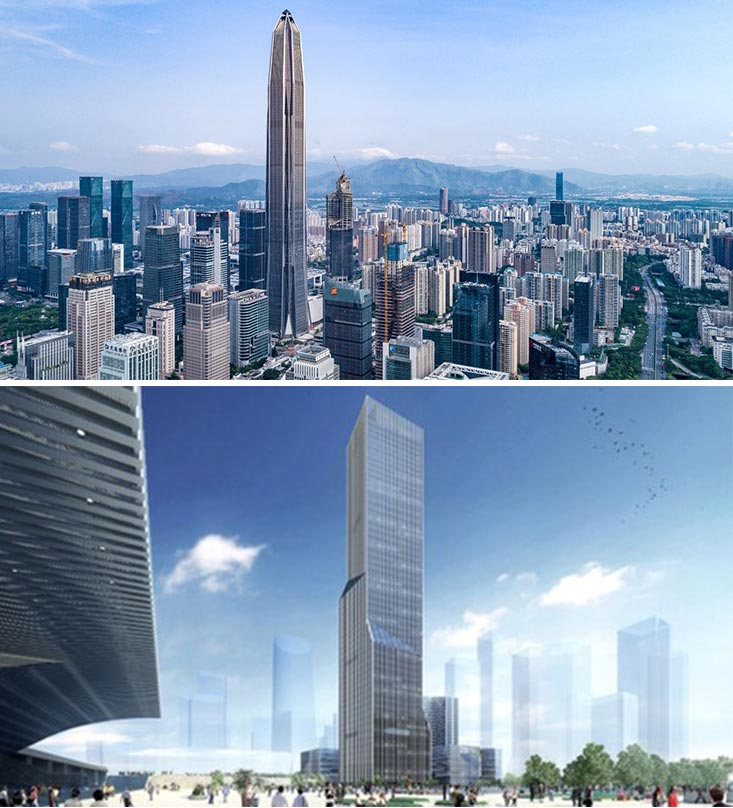
3. Ping An Financial Centre : A major highlight of the Shenzhen tour was the visit to the Ping An Financial Centre, the fourth tallest building in the world and a symbol of Shenzhen’s economic prowess. The developers were awed by the tower’s architectural design, which combines aesthetic elegance with structural ingenuity. The Ping An Financial Centre is also renowned for its cutting-edge engineering and the use of advanced materials that ensure both stability and efficiency at such great heights. Inside, the delegation explored the building’s observation decks, and commercial areas, all designed to the highest standards of modern architecture.
4. A detailed session at Xkool Technology, a pioneer in using artificial intelligence for architectural design was organised. At Xkool, the developers explored how artificial intelligence is being used to revolutionize architectural design. Xkool demonstrated its AI-powered platform, which enables rapid generation of design iterations, optimizing for efficiency, aesthetics, and sustainability. The delegation was particularly impressed by the potential of AI to streamline the design process and reduce project costs. The delegation got an opportunity to visit a 2 million sqft hotel build in prefab construction using AI which was completed in 145 days!
5. Dafang AI is a company that specializes in developing wall finishing robots, with functions of sanding, painting and spraying walls automatically that provide high quality and efficient service for contractors all around the world. Dafang AI’s solutions focus on automating construction processes, improving project management through real-time data analysis, and enhancing safety and quality control on construction sites. Developers were awestruck by the demonstration of wall grinding, wall plastering, wall sanding, and wall painting robots. The visit highlighted how AI can significantly improve efficiency, reduce risks, and ensure higher standards in construction projects.
6. The delegation visited Mocaup Shenzhen, a state-of-the-art facility, specializes in architectural models and mock-ups that are essential for visualizing and refining complex urban and architectural projects. The visit offered the delegation a closer look at how physical and digital models can aid in the design, communication, and execution of major real estate developments
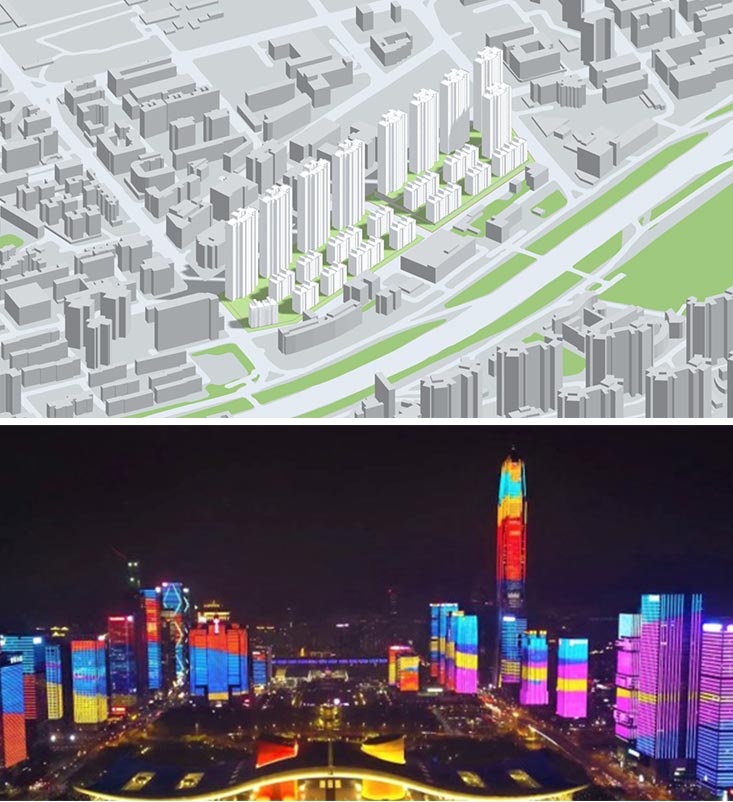
7. The highlight was visit to the Futian Light Show, World’s first full city light show, which illuminates the 42 buildings in the Futian Central Business District (CBD) is a stunning display of urban lighting technology and creative design that has become a hallmark of the city's vibrant nightscape, and is a hyper-modern addition to the city’s skyline. It offered the delegation a first-hand experience of how cities can use light as a medium to enhance urban aesthetics and create engaging public experiences.
These visits offered a deep dive into the design philosophies, engineering marvels, and sustainable practices that define modern urban development in the world’s most dynamic cities. The knowledge and experiences gained from these visits are expected to influence and inspire future real estate developments in our city, particularly in the areas of high-rise construction, smart building technologies, and the creation of innovation hubs. By applying these insights, developers can create buildings that are not only visually impressive but also environmentally responsible and help shape the future of urban development in Pune, ensuring that it aligns with global standards of innovation, sustainability, and architectural excellence.
The engagements with international architects have equipped the developers with the knowledge and inspiration needed to push the boundaries of real estate projects.
The visits to Xkool Technology and Dafang AI were particularly impactful, demonstrating the future potential of AI-driven solutions in enhancing project efficiency, sustainability, and design innovation. The visit to Xkool Technology was particularly enlightening, offering a glimpse into the future of AI-driven design and its potential to revolutionize real estate development in India. The visit to the Futian Light Show in Shenzhen was a memorable. The experience is expected to influence the urban lighting projects in India, helping to create more vibrant and culturally expressive, making cities more engaging and visually stunning, particularly in public and commercial districts.
The interactive sessions on various topics carried out between the fellow developers during the tour were of great value and provided interesting insights. The memorable time shared together by the developers has created a special bond amongst them. Old bolds have thickened and new bonds have been made!
The CIBF committee - Punit Oswal (Convener), Ishaan Magar, Siddharth Moorthy, Hiren Parmar, Monish Agarwal and Mohit Kothawade under the guidance of President Ranjit Naiknavre and Vice-President Rajesh Choudhary, worked tirelessly for past 10 months to ensure the study tour was knowledgeable and inspiring for the delegates, and had tangible takeaways as well.
Gallery